Pimples on the Nose: Why It Keeps Happening (And What Actually Works)
Author: Glemma Editorial
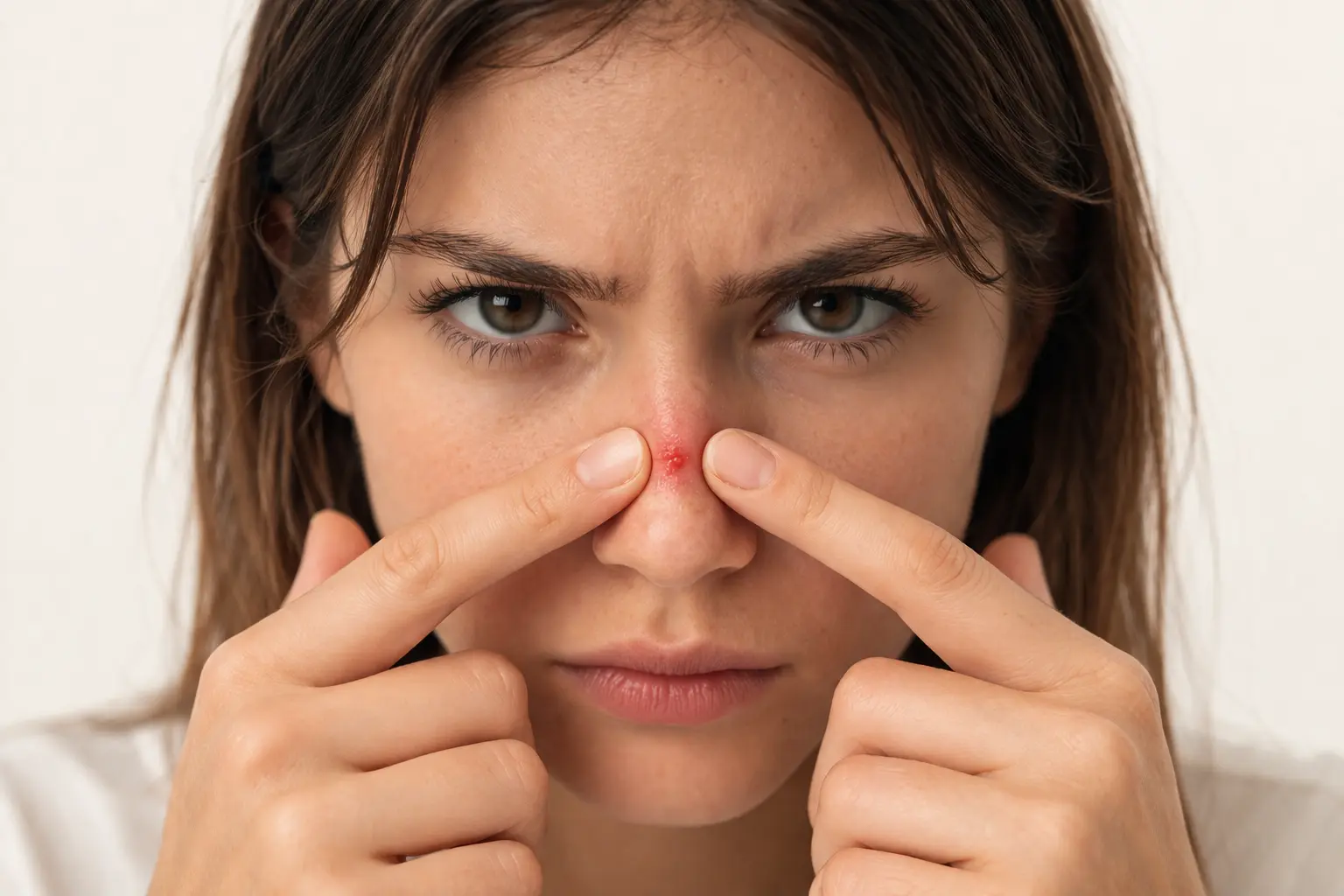
Pimples on the nose are one of the most frustrating breakouts. They’re visible, often painful, and tend to come back again and again. Most advice online is generic. But your skin isn’t. If your nose pimples keep coming back, there’s a reason and once you understand that pattern, fixing it becomes much easier.
This article is for you if
you keep getting pimples on your nose, have tried random treatments that didn’t work, or want to understand what actually works for your specific skin instead of generic advice.
How to Treat Pimples on Your Nose (Fast & Effectively)
Treating pimples on your nose isn’t about using random products. It’s about understanding what’s happening under your skin and fixing that quickly. Pimples form when excess oil, dead skin, and bacteria clog your pores, leading to inflammation and swelling.
Effective treatment focuses on three things: clearing the pore, reducing excess oil, and calming inflammation.
- Use a gentle cleanser 1–2 times a day to remove excess oil and dirt
- Avoid touching or picking the pimple, as it can spread bacteria and worsen inflammation
- Apply minimal, targeted treatment only on the affected area instead of overloading your skin
- Use a warm compress for a few minutes if the pimple is painful or swollen to reduce pressure and inflammation
Most “quick fixes” like toothpaste, lemon juice, or random DIY hacks can irritate your skin and make the pimple worse instead of healing it.
It’s also important to set expectations: you usually can’t remove a pimple overnight, but you can reduce redness, swelling, and prevent it from getting worse within a few days.
Glemma Skin Analysis →
The real problem is not knowing what type of pimple you’re dealing with. A one-time breakout and recurring nose pimples need completely different approaches.
If your pimples keep coming back, it’s usually a routine issue, not a random event. Understanding your skin type, oil levels, and triggers helps you fix the root cause instead of repeatedly treating symptoms.
Instead of guessing, analyzing your skin pattern leads to better, more consistent results.
How to Prevent Pimples on Your Nose
Prevention is simpler than treatment but requires consistency.
- Cleanse regularly without over-washing
- Keep your hands and phone away from your face
- Avoid heavy or pore-clogging products
- Maintain a simple, consistent routine
The Main Causes of Nose Pimples
- Excess oil production
- Clogged pores from dead skin and dirt
- Bacteria buildup
- Hormonal changes
- Friction from habits like touching or glasses
Why YOUR Nose Pimples Keep Coming Back
If pimples keep returning, it’s not random. It’s a pattern.
- Same spot repeatedly → clogged pore not fully cleared
- Random breakouts → triggered by lifestyle or products
- Constant oiliness → wrong skincare routine
Fixing the pattern matters more than treating individual pimples.
What You Should Do Based on Your Skin Type
Not all nose pimples are the same. The way you treat them should depend on your skin type. Using the wrong approach can make things worse instead of better.
- Oily skin: Focus on controlling excess oil without over-drying your skin. Use lightweight, non-greasy products and cleanse regularly. Too much oil increases the chances of clogged pores.
- Dry skin: Avoid over-washing or harsh treatments. Dry skin can actually produce more oil as a response, which leads to breakouts. Keep your skin hydrated and use gentle products.
- Combination skin: Treat your nose differently from the rest of your face. The nose is usually oilier, so focus on oil control in that area while keeping other areas balanced.
- Sensitive skin: Keep everything minimal. Avoid strong or irritating products, and focus on calming the skin instead of aggressively treating the pimple.
- Recurring nose pimples: If pimples keep coming back, it’s not just about your skin type — it’s about your routine. Look at patterns like product usage, touching your face, or lifestyle triggers and fix the root cause.
The key is simple: don’t treat every pimple the same way. The more your approach matches your skin type, the better your results will be.
Common Mistakes That Make It Worse
- Overwashing your face
- Popping pimples
- Using too many random products
- Ignoring patterns in your skin
Frequently Asked Questions
Why are nose pimples painful?
Because the nose has more oil glands and sensitive nerves.
Can I pop a nose pimple?
No. It can spread bacteria and worsen acne.
Why do they keep coming back?
Because the root cause like oil buildup or routine issues is not fixed.
How long do they last?
Usually a few days, but recurring ones need deeper attention.
Is it dangerous to pop a pimple on your nose?
Yes, especially in the nose area. The nose lies in what doctors call the “danger triangle” of the face. Popping pimples here can introduce bacteria into blood vessels that are connected to the brain, which in rare cases can lead to serious infections.
Why do nose pimples hurt more than others?
Nose pimples tend to be more painful because: The nose has more oil glands It also has dense nerve endings
Are nose pimples related to diet?
Sometimes. Certain people may notice breakouts after: high sugar foods, dairy, oily or processed foods
When should I see a dermatologist for nose pimples?
You should consider it if: pimples are very painful, they keep coming back in the same spot, they do not heal after several days, swelling spreads or worsens. Especially important if signs of infection appear (pain, redness, fever)
Final Take
Most skincare advice is generic. But your skin isn’t. The real solution is understanding what works for your specific skin, not following random trends.
Free AI Skin Analysis
Understand Your Skin, Not Just Your Pimples
Get personalized insights based on your skin, not generic advice.
Analyze My Skin